

Panda Luck Review - RTP, Sticky Pandas and Respins
Learn How to Play
Panda Luck - official features and review
Panda Luck puts a sticky-symbol respin feature inside a compact classic slot. I find its appeal in the visible collection: each added Panda keeps the bonus going and changes the multiplier, while the small reel field keeps the objective easy to follow.
Written by Cryptogambler. Updated October 16, 2026.
Explore games at VAVADA
- Explore the current games catalogue
- Availability and account terms are shown on the site
A small field with a collection objective
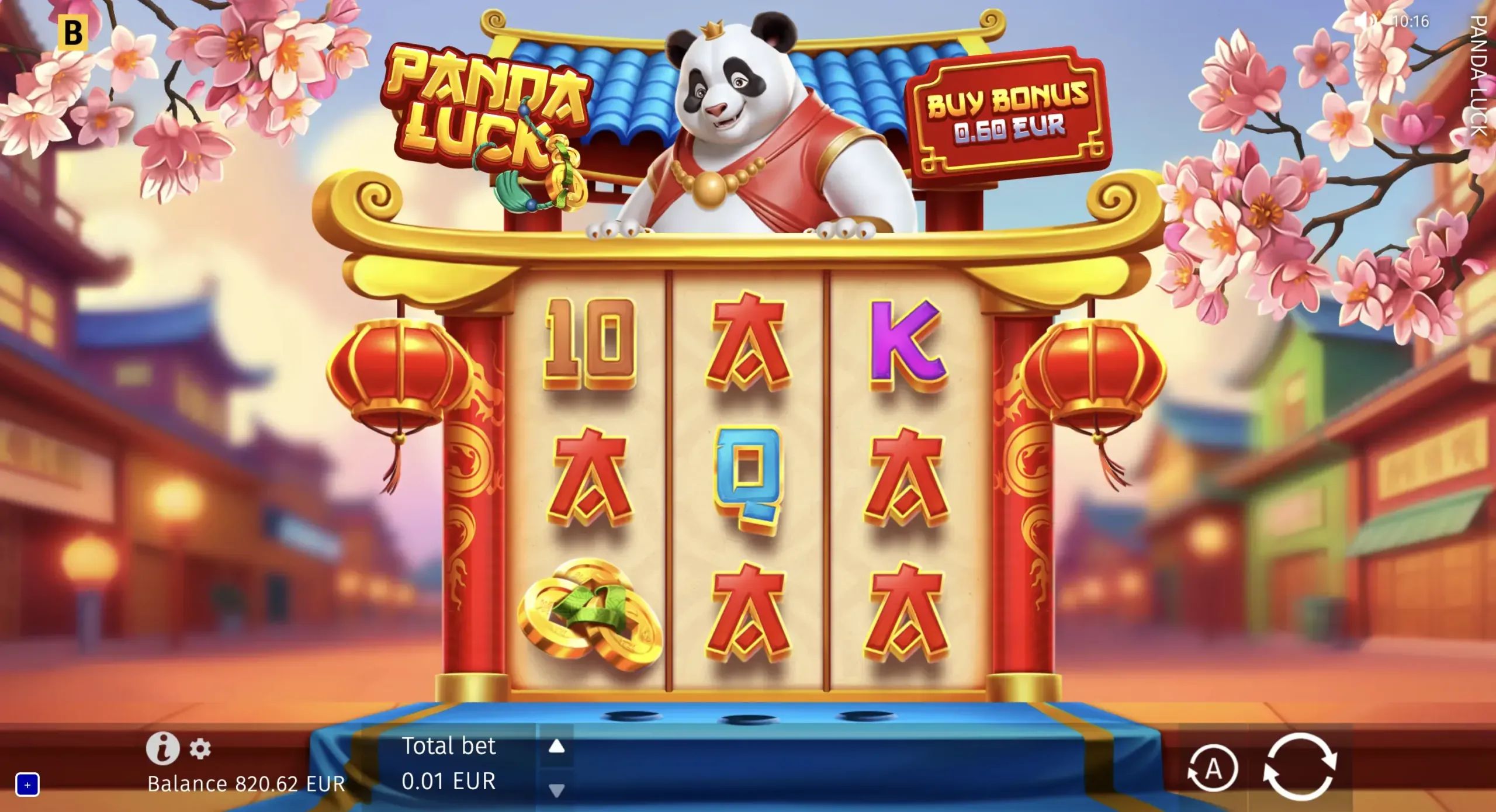
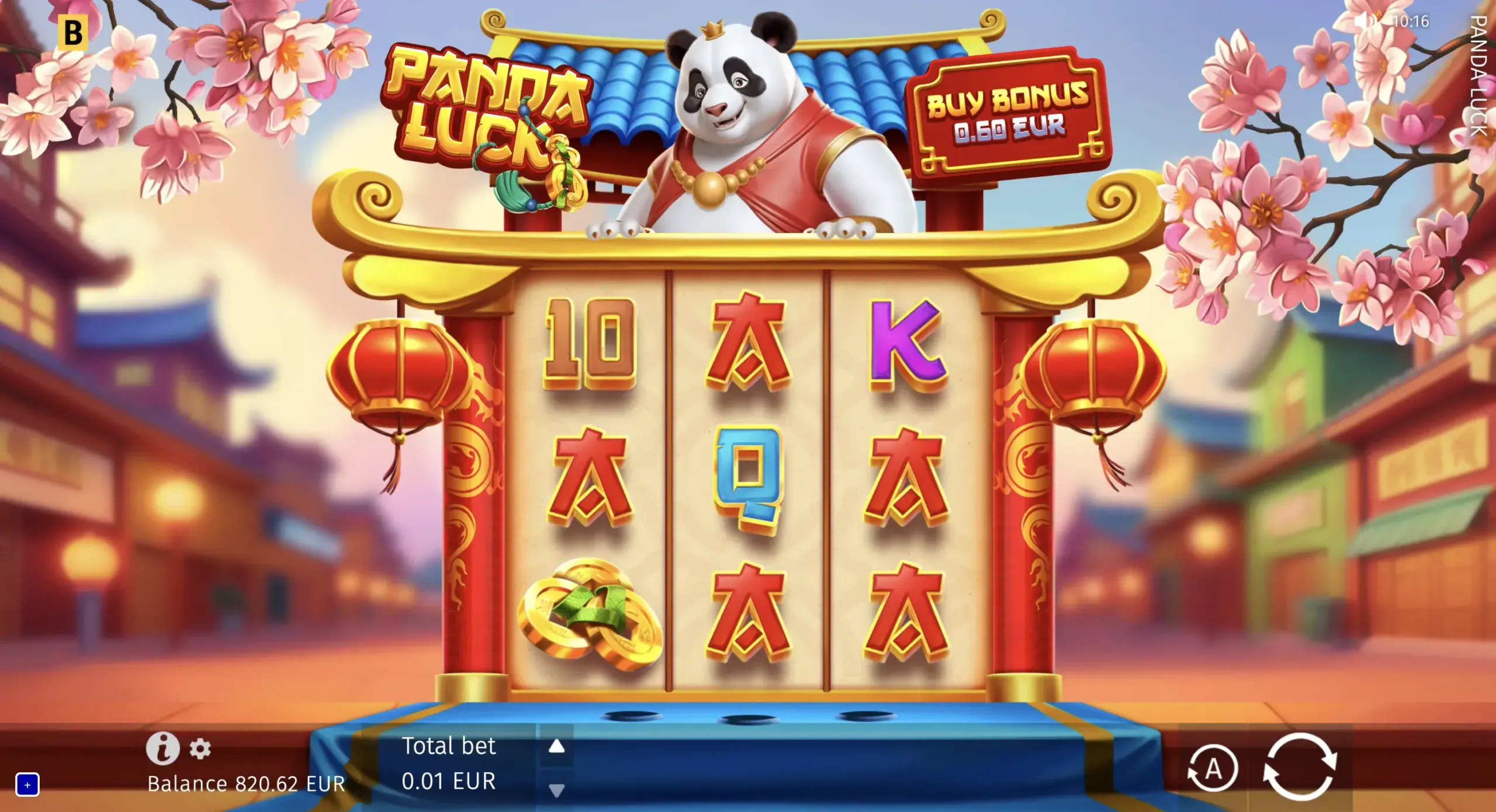
Published by BGaming on May 21, 2024, Panda Luck uses a 3x3 field with five paylines. Lanterns, blossoms and the Panda character create a bright presentation. My editorial preference here is for the straightforward bonus objective: collect more of the special symbols before the remaining respins run out.

| Official specification | Value |
|---|---|
| Publisher | BGaming |
| Field | 3x3 |
| Paylines | 5 |
| RTP | 97% |
| Volatility | Very high |
| Overall maximum win | 2,124x |
| Release | May 21, 2024 |
The friendly character does not imply gentle mathematics. Very high volatility is the more relevant label when deciding whether the game fits your tolerance for losing sequences. The 97% RTP is theoretical and measured over a large volume of outcomes; it cannot be used to predict what a short run of spins will return.
Sticky Pandas and the three-respin counter
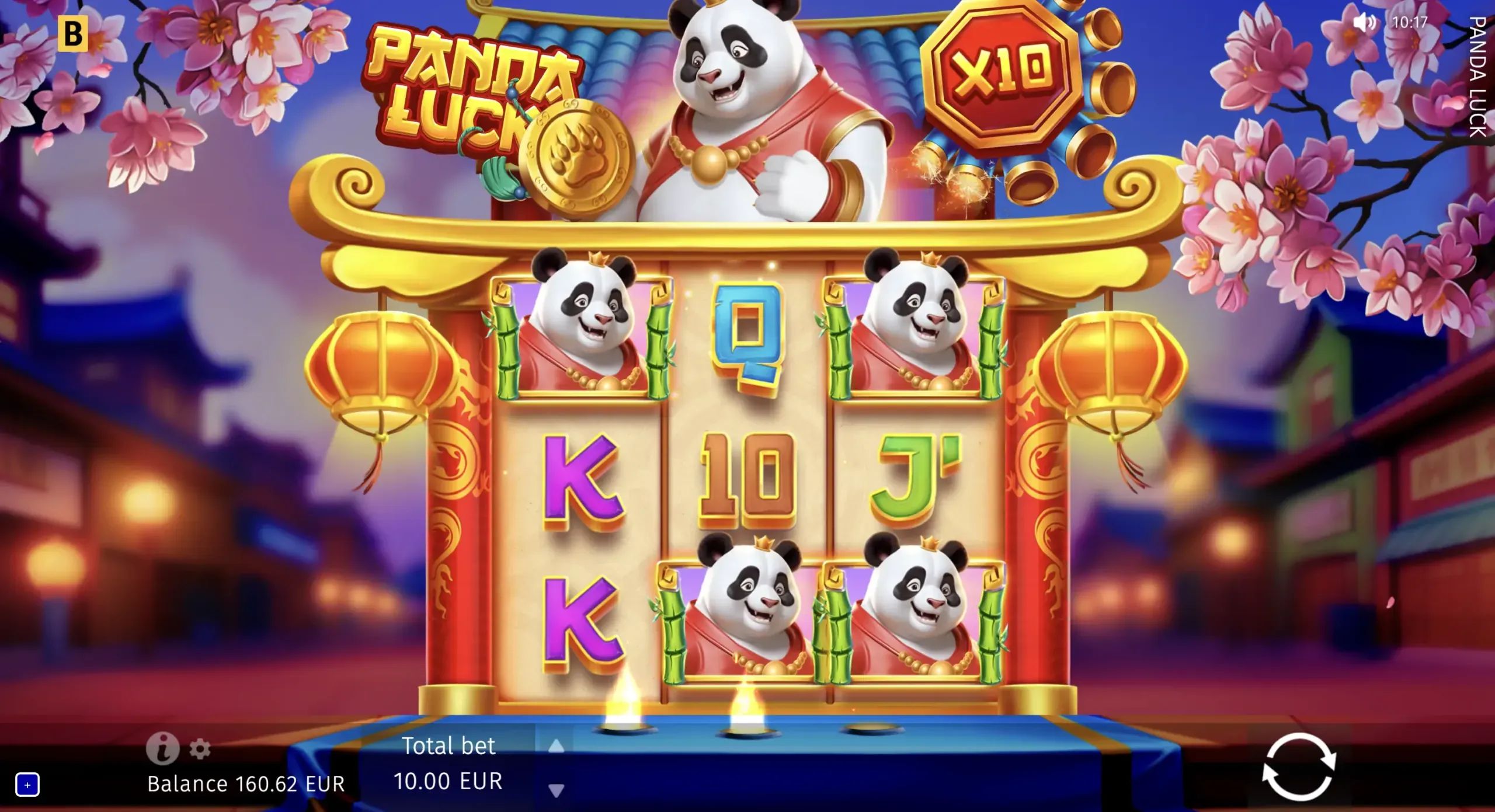
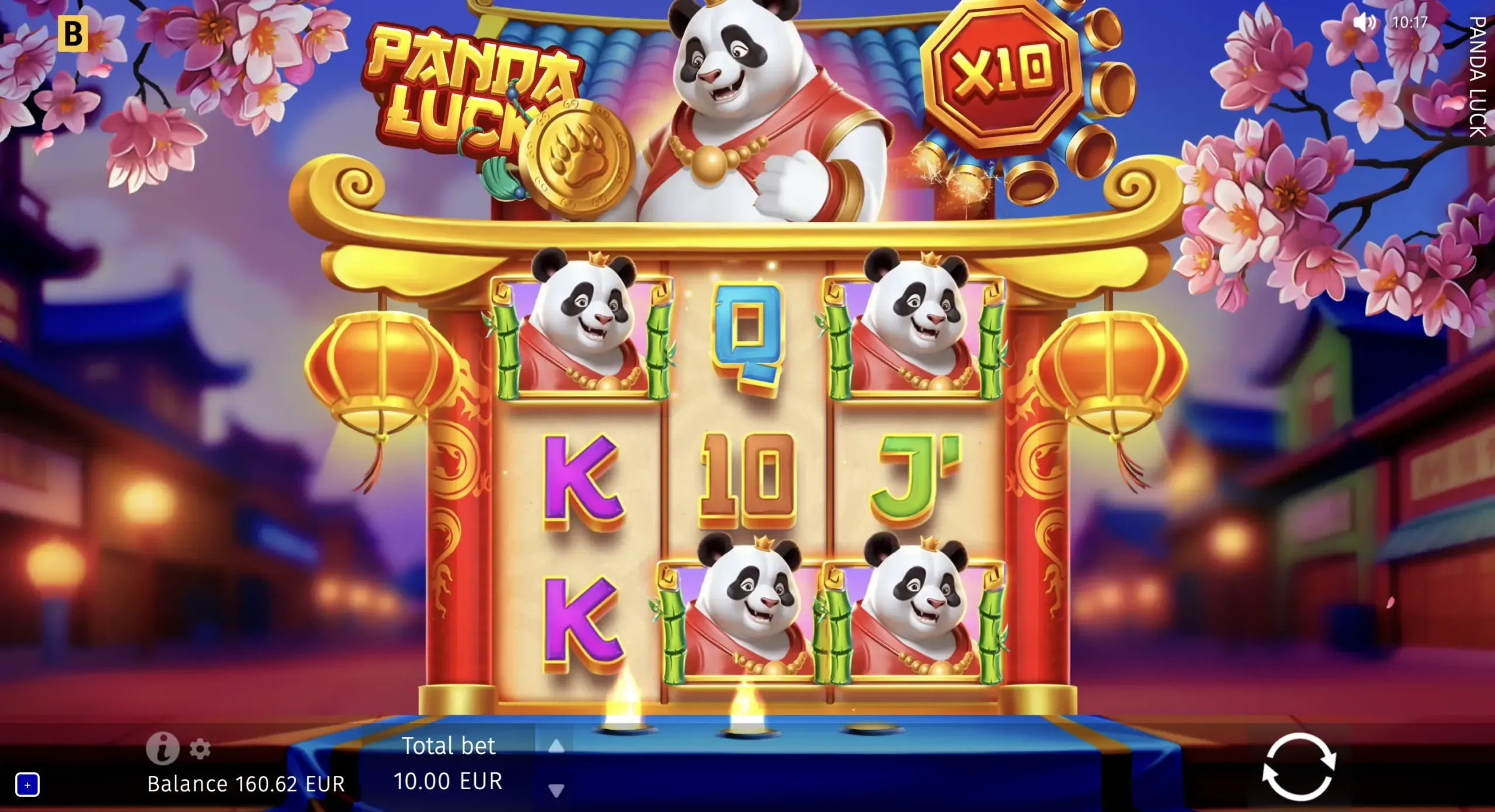
Three or more Panda Bonus symbols trigger the feature. They become sticky and the round starts with three respins. Additional bonus symbols reset the remaining respins to three. As the collection grows, the multiplier attached to the round can increase, and the final amount is paid when the round ends.
This creates two separate pieces of information to follow: the number of occupied special-symbol positions and the remaining respins. An added Panda matters because it contributes to the collection and refreshes the counter. A spin without an added symbol consumes a chance, so the round can end before the field is full.
I like that the progress is visible without several independent meters. The same simplicity limits the variety: the central question remains whether the next respin adds another symbol. Players who want changing reel layouts or different free-spin modes may find that repetition less engaging.
The ordinary game still uses its five-line structure. The bonus collection is a separate feature and should not be confused with an ordinary line win. In demo, I would pay attention to the transition between these two systems and watch exactly when the respin counter refreshes.
Two multiplier figures and the purchase decision
BGaming's feature description gives the bonus multiplier range as 3x to 2,024x. Its overall specification and maximum-win FAQ list 2,124x for the game. These are different published figures for different labels. I keep both visible rather than replacing the feature ceiling with the overall maximum or inventing an explanation for the difference.
Buy Bonus offers direct access, with the price shown on the button and adjusted when the stake changes. The official overview does not give a universal fixed purchase multiple, so I would use the current panel's amount. If the panel shows a 40-unit price, for example, a 10-unit bonus payout would be a 30-unit loss on that purchase, despite the win animation. This is a cost example, not a quoted game price.
A purchase changes how you reach the feature; it does not guarantee a full field, the highest multiplier or a net profit. Avoid treating partially collected symbols as a reason to exceed the budget. The next respin remains an uncertain event even when the visual gap to a larger collection looks small.
My verdict: Panda Luck is well suited to players who want a simple collecting bonus in a small layout. Its very high volatility makes it less suitable for someone seeking predictable session length or frequent returns. Start with demo, read the active rules and purchase amount, and set a limit covering both ordinary spins and direct entries. BGaming confirms mobile and desktop support.
Sources: official BGaming Panda Luck profile and linked publisher Promo pack. The images are official gameplay illustrations, not results from our own paid session.
Frequently Asked Questions


