

Dragon's Crash Review - Cash-out, Two Bets and RTP
Learn How to Play
Dragon's Crash - official features and review
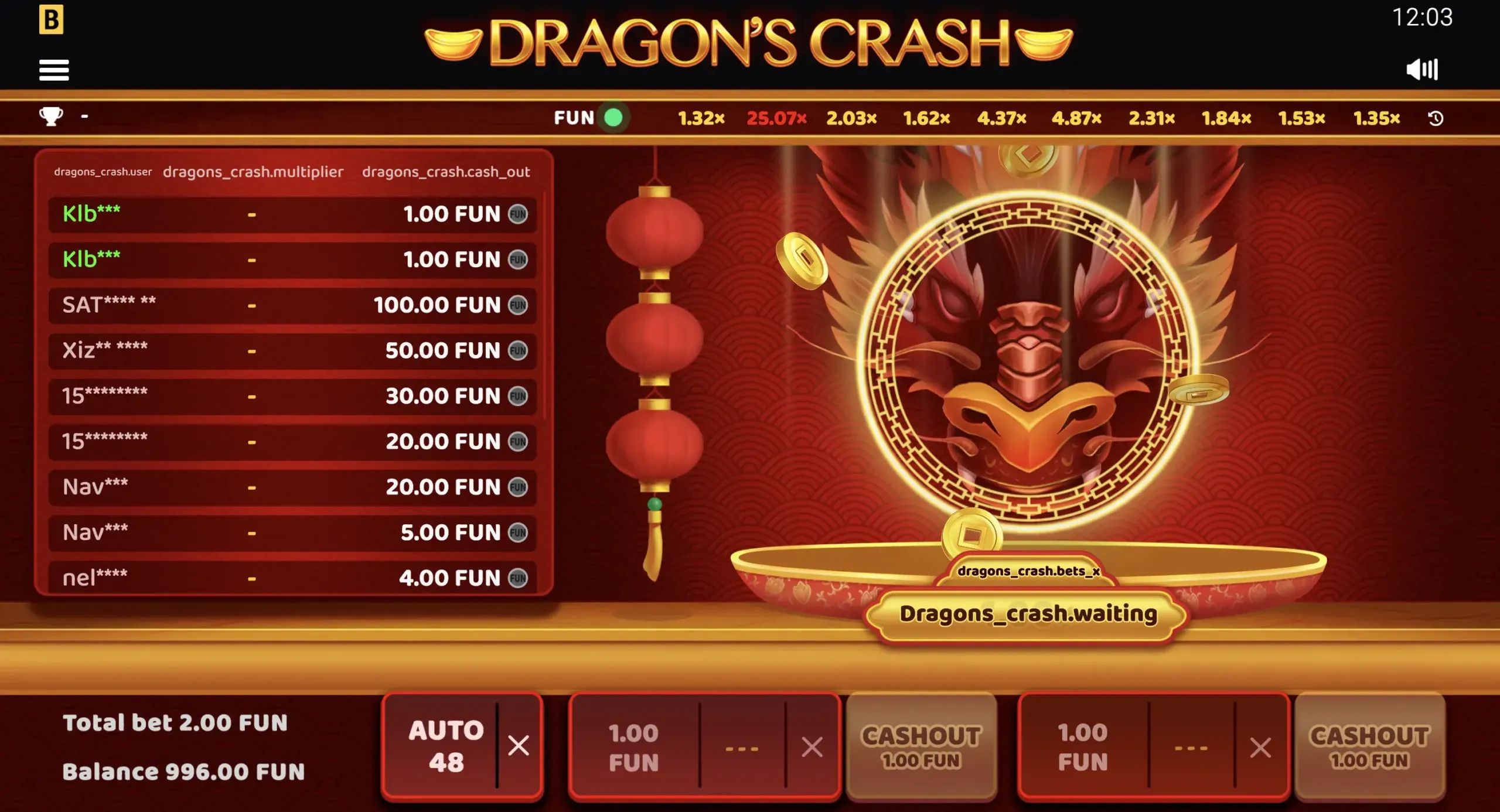
Dragon’s Crash replaces the usual rising aircraft with a sleeping dragon and a growing pile of coins. The decision remains familiar: take the current multiplier or leave a bet exposed to a round that can end before cash-out.
Written by Cryptogambler. Updated October 29, 2026.
Explore games at VAVADA
- Explore the current games catalogue
- Availability and account terms are shown on the site
A crash round built around a dragon

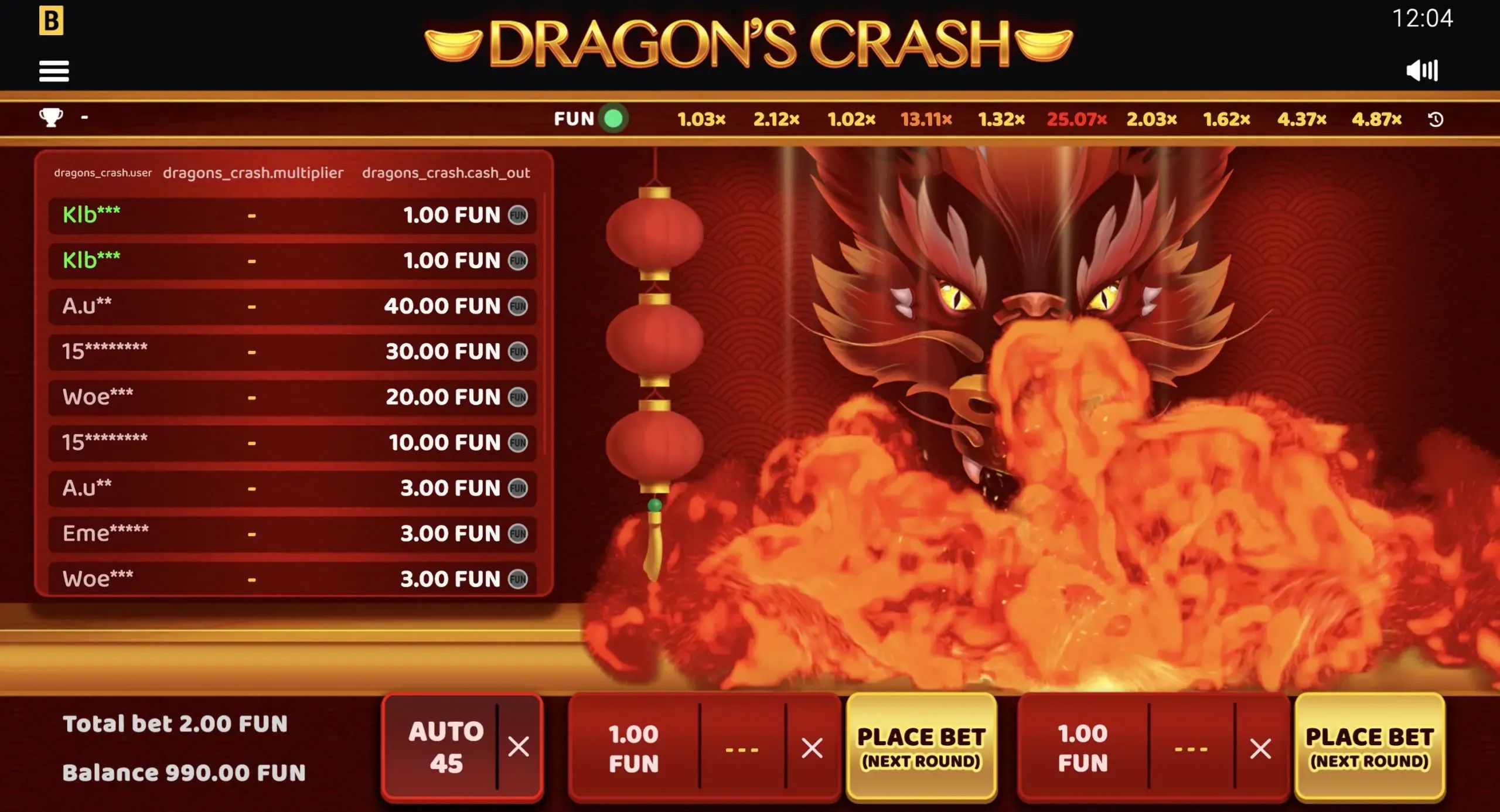
Released by BGaming on March 7, 2024, Dragon's Crash uses a red-and-gold temple setting. Coins accumulate as the displayed multiplier rises. When the dragon wakes and breathes fire, the round ends. A bet that has not been successfully cashed out is exposed to that ending, regardless of how promising the animation looked a moment earlier.
The official profile lists high volatility, 97% theoretical RTP and a maximum multiplier of 10,000x. The rules, version 1.3 dated July 29, 2024, also state the 10,000x limit and a minimum withdrawal multiplier of 1.01x. These are boundaries of the published game, not a prediction that a round will reach either a personally chosen target or the maximum.
A visible results table shows player stakes and outcomes, while the history strip records past multipliers. This makes the game feel shared and gives the screen activity beyond one bet. It does not turn other players' decisions into information about the next crash point. A table full of large wins cannot establish that the following round will behave similarly.
Two bets and two ways to collect
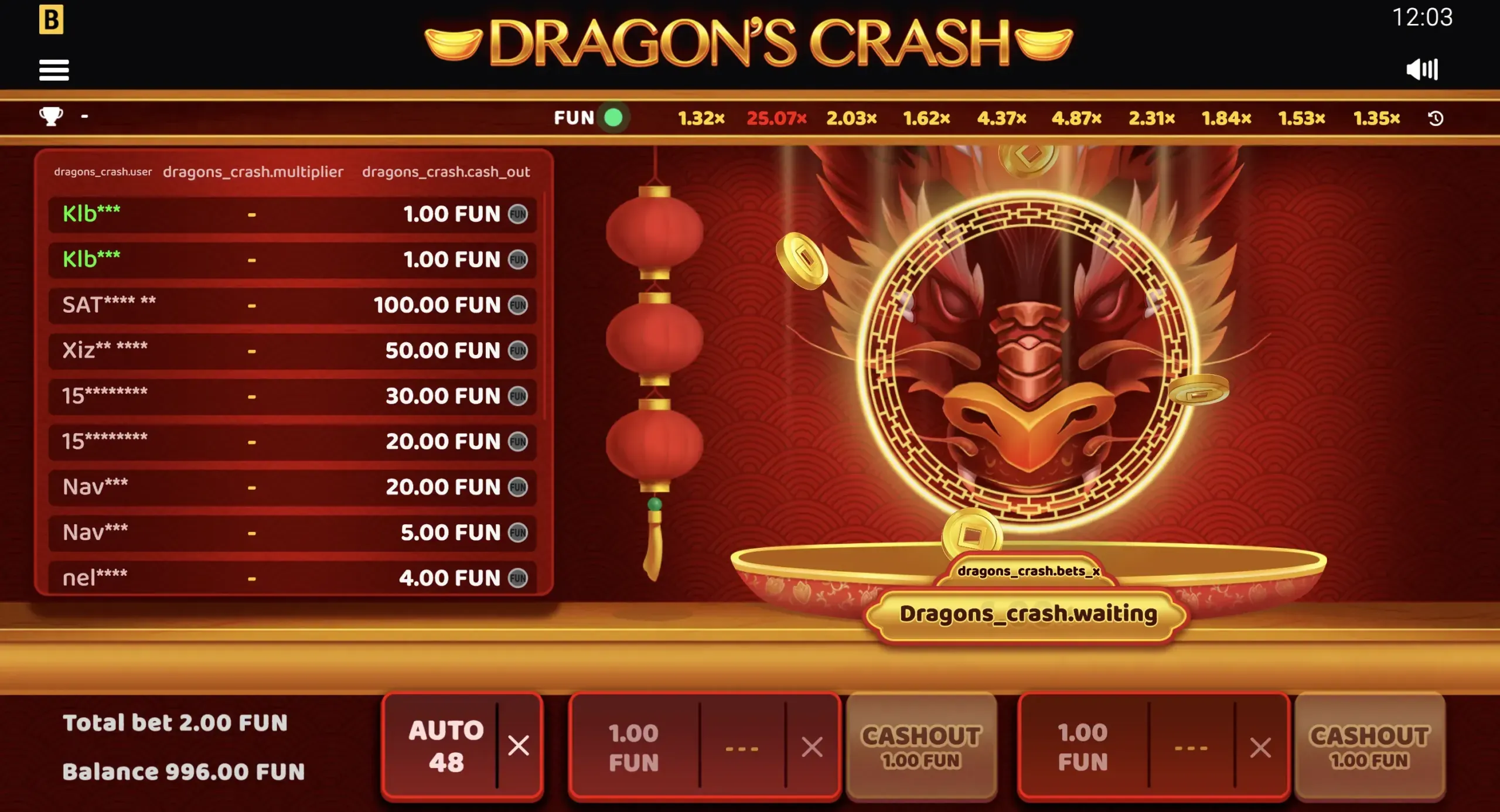
The interface supports two bets in one round. They are separate stakes, so a player can collect one while leaving the other exposed. The rules state that their combined value must remain within the configured maximum bet. Two panels do not mean that the account receives twice the permitted combined exposure.
Both bets still face the same round ending. Using different cash-out targets changes how each stake is managed; it does not create two independent crash events or ensure that one wager covers the other. For example, if one 10-unit bet returns 15 units and a second 10-unit bet loses, the total result is 15 returned against 20 staked, a net loss of five.
Manual cash-out requires a successful collection before the crash. Auto Cash-out lets the player set a target multiplier so collection occurs if that target is reached under the game's rules. A preset target does not make the game wait: the dragon can end the round earlier. The rules also describe a random additional multiplier, but that event is not something a player can schedule or infer from previous results.
Autoplay, RTP and the limits of timing
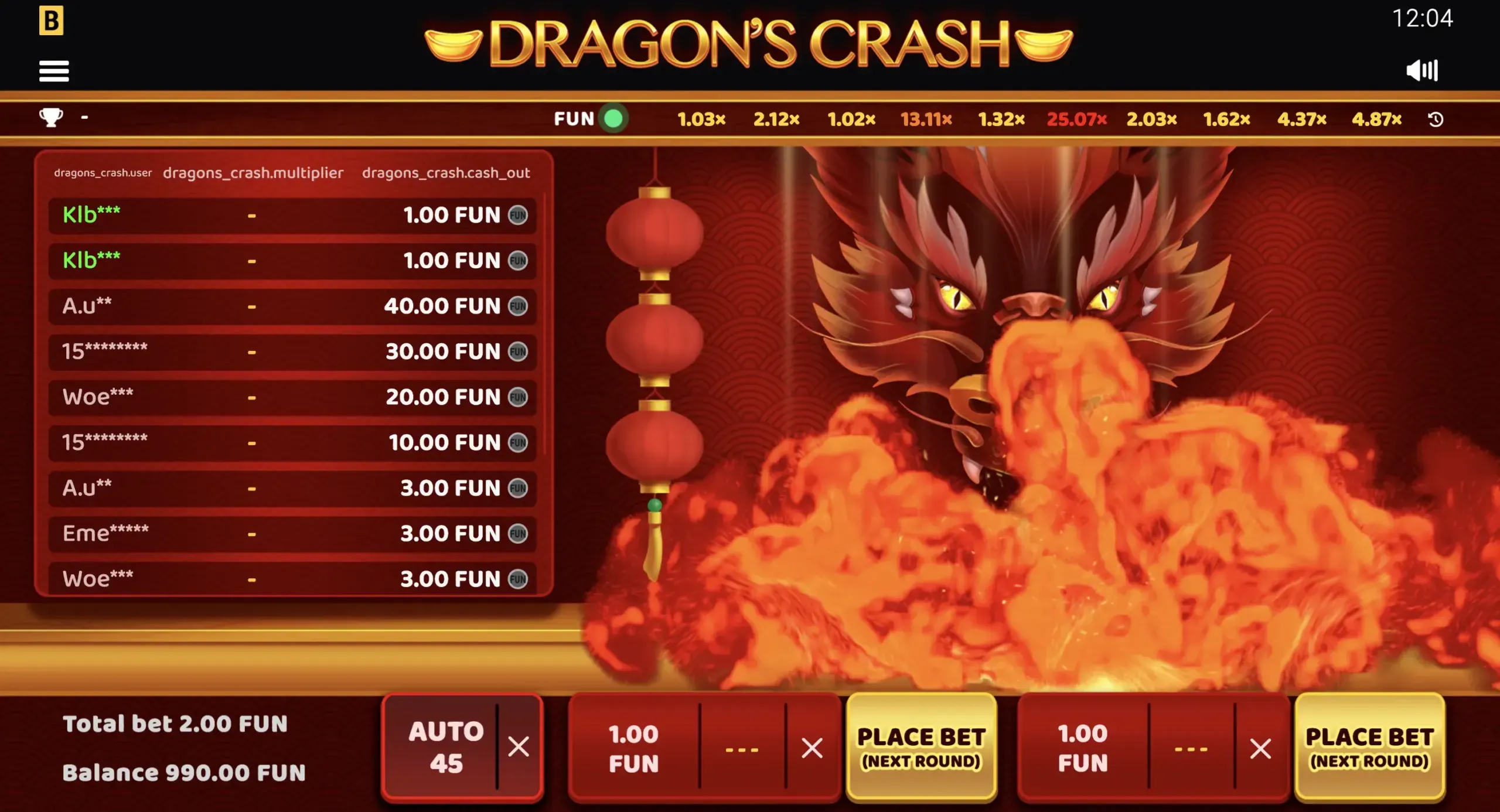
Autoplay can set a number of rounds, target multipliers, win/loss behavior and stopping conditions. These controls automate decisions and spending rather than improve the underlying chance. The linked rules note that availability may depend on the applicable license configuration. Before enabling repeated rounds, check the combined stakes, not just the amount in one panel.
The 97% figure is the current profile's theoretical RTP. The detailed rules describe a strategy-dependent RTP range but leave both numerical endpoints unfilled. We therefore do not supply a made-up range or claim that every target choice has a separately verified 97% return. A low target may cash out more often, but a collection can still be too small to offset the total losses in a session.
Dragon's Crash gives the crash format an effective visual explanation: growing coins show the temptation to wait, and the fire makes the unresolved exposure explicit. Its dual-bet system adds flexibility without removing that exposure. The practical focus should be the stake, the chosen collection method and a spending limit set before play. Neither waiting for a long round nor reacting to the dragon's appearance provides a dependable prediction of the ending. The 10,000x cap is an upper limit, not a sensible expectation for a bet.
Frequently Asked Questions


